17 October 2026
How Synthetic Roof Coverings Lower Upkeep After Midwest Wintertime Storms
Presented by @tysonoijs674
Anyone who owns a home in the Midwest discovers promptly that winter months does not examine a roofing once. It examines it over and over. Snow lots construct, daytime thaw loosens water right into seams, nighttime temperatures lock it back into ice, and wind keeps trying to find a side to lift. By late February, even a durable roof covering can reveal the wear. Missing shingles, split tabs, loosened blinking, blocked valleys, tarnished ceilings, and the slow-moving drip that only shows up when the attic room heats up, these are familiar require roofing contractors throughout Illinois and the greater Chicagoland area.
That is one factor extra home owners have started asking about artificial roof coverings. Not due to the fact that they are fashionable, and not because every home requires one, however due to the fact that they resolve a number of repeating maintenance issues that conventional materials encounter after severe winter season weather condition. When chosen meticulously and installed well, synthetic roofing systems can reduce breakage, lost water more effectively, stand up to impact, and hold their appearance with less treatment year after year.
For property owners in position like Chicago, Naperville, and the surrounding suburbs, the inquiry is normally functional: will this roofing system mean less repair services after a hard winter months? In most cases, the response is indeed. The details issue, however, specifically the product type, the profile, the attic room conditions, and the skill of the crew dealing with the synthetic roofing installation.
Midwest winter damage is hardly ever brought on by one event
The roof coverings that fail after a storm are not always the roofs that took the inmost snow. More frequently, they are the roofings that were already prone in a few little ways. A fragile roof shingles near the eave. A weak valley information. Blinking that served in October yet no more sealed snugly after weeks of development and contraction.
In the Midwest, winter months roofing damages generally originates from a chain reaction. Snow piles up. Your house loses heat unevenly. Snow melts in warm spots and runs downward till it reaches a cool eave, where it freezes and develops ice. Much more water supports behind it. Wind-driven snow infiltrates joints. Then the following freeze locks every little thing in position. If roof covering product is susceptible to splitting, crinkling, or taking in moisture, maintenance calls have a tendency to follow.
Traditional asphalt roof shingles can execute well, particularly higher-grade versions, however in extreme freeze-thaw climates they typically show their age through granule loss, tab damage, and compromised seal strips. All-natural slate and cedar have their very own staminas, yet each features upkeep realities. Slate is attractive and resilient yet heavy, brittle under effect, and pricey to fix. Cedar has heat and character, though wetness management is essential and maintenance is ongoing.
This is where architectural artificial roof has gotten traction. It aims to provide the look of slate, shake, or tile while lowering a few of the maintenance concerns those materials can develop after repeated winter stress.
Why synthetic materials deal with freeze-thaw cycles differently
A durable synthetic roof product is crafted to be lighter, more versatile, and much more influence resistant than several conventional choices. That flexibility issues in winter. When temperatures swing from the teenagers to the mid-thirties and back once more, the roofing surface area expands and contracts. Materials that come to be brittle under those problems can crack. Products with a little give are less likely to crack at nail factors, sides, or stress and anxiety lines.
That does not indicate every artificial item is equal. Costs synthetic roof varies widely by producer, solution, and service warranty assistance. Some products are formed polymers, some are rubber blends, and others are innovative composite materials. The very best among them are developed to stand up to UV exposure, wetness absorption, and thermal activity without shedding shape or structural integrity.
From a maintenance point ofview, the benefit is uncomplicated. When the roof covering material itself is much less likely to split, chip, or loosen in wintertime, there are less chances for https://landenstuz491.dovetailscope.com/posts/synthetic-roof-that-outperform-standard-roofing-in-the-midwest water invasion after tornados. In practical terms, that can imply less spring fixing gos to, less emergency situation spots, and much less cash invested chasing after isolated leak points.
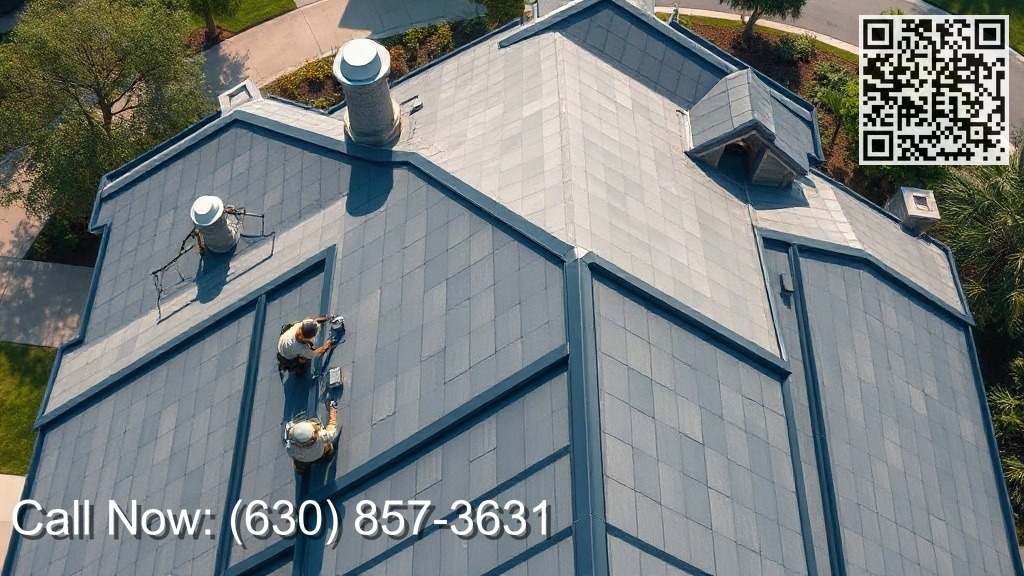
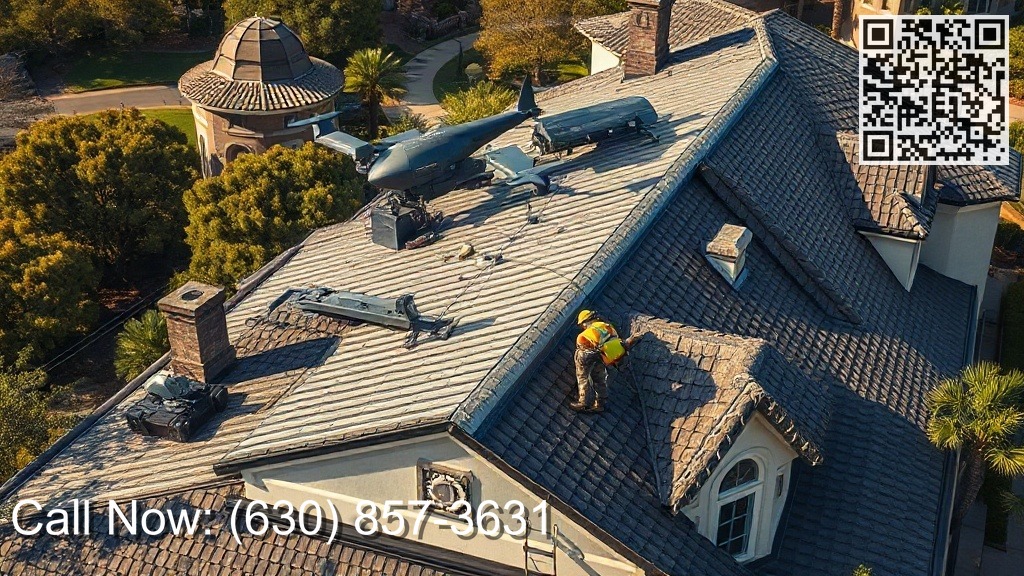
I have seen this play out most clearly on steep roofing systems with difficult geometry. A basic cattle ranch roofing system is one point. A big custom home with dormers, hips, valleys, stone smokeshafts, and long eaves is one more. On those homes, every roofing system information comes to be much more subjected to snow drift, ice accumulation, and wind stress. Artificial roofing for deluxe homes has actually become especially preferred because of that. Owners want the appearance of cedar shake or slate, however they do not desire the annual worry that features fragile products and difficult winter repairs.
Ice dams subject weak points fast
No wintertime roofing discussion in the Midwest is total without speaking about ice dams. House owners have a tendency responsible the roofing system covering itself, however the real photo is extra complex. Ice dams develop when warmth loss from the home melts snow above, after that refreezes at the chillier edge of the roof. Ventilation, insulation, air sealing, underlayment selection, and roof design all play a role.
Still, the outer roof product matters. Some surface areas hold snow differently. Some accounts develop more rubbing. Some items absorb more dampness or degrade faster when water sits against them repeatedly. Synthetic roof shingles and artificial slate accounts often supply a cleaner, extra constant surface area that sheds water well and does not weaken as swiftly from periodic freezing. When coupled with proper ice-and-water security at susceptible locations, they can minimize the quantity of upkeep tied to dam-related infiltration.
That does not make a synthetic roofing unsusceptible to ice dams. No liable artificial professional roofer should assure that. If the attic room is dripping heat badly sufficient, ice will still develop. Yet when ice does back up, the roof setting up has a far better possibility of holding the line if the material is stable, the underlayment is suitable, and the blinking details were performed correctly.
A property owner in Naperville as soon as defined the difference after replacing an aging cedar-look roofing system with an artificial alternative. Before the replacement, every heavy snow seemed to generate the exact same routine: rake the reduced side, expect tarnishing around a second-floor room, and call for spot repair services in spring. After the new installment, along with attic air securing and upgraded underlayment, the winter season regular changed. Snow still fell, temperature levels still swung, yet the repeated leakage concern quit. That outcome was not just the product, yet the material played a real role in developing a much more flexible roof covering system.
Impact resistance matters more than many homeowners realize
Midwest winter seasons are not only regarding snow and ice. They also bring tree limb strikes, hail storm put inside cold snaps, and wind-driven particles. Roofing systems that survive winter season with fewer fixings generally have one thing alike: they endure impact without prompt visible damage.
This is one of the strongest arguments for household synthetic roofing. Lots of artificial products are ranked for influence resistance at degrees that outshine more fragile choices. Theoretically, that sounds technical. In the field, it suggests a branch that might crack an all-natural slate ceramic tile or wound an older tile may leave far much less damage on a top quality synthetic panel or shingle.
The upkeep advantage is not only less noticeable breaks. It is likewise less covert ones. Some storm damage is refined. A tiny crack or slit may not leakage as soon as possible, but after more freeze-thaw cycles it ends up being a trouble. If the roof covering material can soak up that hit and stay intact, the homeowner stays clear of the postponed repair service that usually surface areas months later.
For homes under fully grown trees, this matters a lot. In areas throughout synthetic roof covering Chicago service locations, older whole lots are lined with oaks, maples, and elms. They include worth and elegance, however winter season storms transform them right into roofing system threats. A roofing material that can brush off the smaller effects typically saves the proprietor from repeated upkeep calls.
Less weight, less architectural concerns
Weight is not the first thing homeowners think about after a winter storm, but it must belong to the discussion, particularly during an artificial roofing substitute. Natural slate and clay tile are significant materials. They can last a very long time, however their weight locations genuine demands on the roof structure. In a region where roofs already lug snow loads, a lighter roofing product supplies functional advantages.
Synthetic roof coverings resemble the aesthetic depth of larger products while positioning less stress on rafters and decking. That does not remove the requirement for architectural evaluation, yet it streamlines lots of jobs and can make future maintenance a lot more manageable. Crews can function more safely and efficiently on a lighter system, and repairs, if they are ever needed, tend to entail less customized handling than vulnerable rock or tile.
That comes to be especially relevant on older homes in the Midwest, where framing may be strong but not made for the dead tons of premium natural products. An artificial roof business that recognizes local housing supply can review whether a home is an excellent prospect for slate-look or shake-look synthetics without forcing unnecessary architectural modifications.
The installation top quality still determines a lot
A bad installment can destroy an excellent product. That is true for every roofing product, but it is especially crucial with artificial systems since homeowners often expect a near-premium outcome and reduced upkeep from the first day. If the fastening pattern is wrong, if the starter courses are weak, if the valleys are reduced carelessly, or if the flashings are reused when they need to have been replaced, winter months will reveal those faster ways quickly.
The distinction between a roof that coasts with February and one that needs March repairs commonly boils down to small details that never ever show up in marketing pictures. This is why picking experienced artificial roof covering installers matters as long as choosing the product itself. A trusted synthetic professional roofer Chicagoland property owners can depend on must recognize local snow patterns, ice dam areas, community code requirements, attic room air flow, and manufacturer-specific installation standards.
When I consider roof coverings that stay trouble-free after extreme winters, I typically see the exact same things: cautious blinking transitions, strong side describing, thoughtful snow and water management, and a team that respected design and direct exposure lines. Artificial roofing installation is simple in the abstract, but it does compensate self-control. A roof can look beautiful from the street and still be vulnerable if the system below was rushed.
Where upkeep financial savings really reveal up
Homeowners frequently ask whether synthetic roofing systems get rid of upkeep. They do not. No roof is maintenance-free, especially in a Midwest environment. Gutters still need cleansing. Flashings still are worthy of inspection. Branches still require trimming back. Sealers around penetrations still age. What changes is the regularity and extent of material-related repairs.
The savings often tend to turn up in a couple of details ways:
- fewer cracked or broken field pieces after freeze-thaw cycles
- less replacement job after small limb strikes or hailstorm events
- fewer recurring leakage investigations tied to weak, maturing roof surfaces
- less cosmetic damage on high-visibility roofing planes
- longer intervals prior to a major artificial roof substitute comes to be necessary
That is not an assurance of lower price in each year. The upfront investment for premium synthetic roof is generally more than typical asphalt. For some homes, specifically easy rooflines on moderate budget plans, architectural roof shingles remain the best response. However on larger homes, steep inclines, customized designs, or residential or commercial properties where proprietors want the appearance of slate or cedar without the exact same upkeep account, the lifecycle equation commonly prefers artificial materials.
Aesthetic durability belongs to maintenance, too
Homeowners normally consider maintenance as leakages and repairs. Look belongs in the discussion too. Winter months is difficult on the appearance of a roof covering. Repeated moisture direct exposure, ice scuffing, blown debris, and sunlight glare showing off snow can age lower-grade materials swiftly. Fading, spotting, broken corners, and irregular wear make a roof appearance tired long before it stops working structurally.
Premium synthetic roof items are commonly selected since they hold their account and shade well. That matters on visible front elevations, yet it matters much more on homes with intricate roof design where patchy wear sticks out. A roofing that maintains its shape and coating via several wintertimes calls for less place solutions for appearance alone.
This is a big reason synthetic roof for deluxe homes has actually found such a solid particular niche. On premium residential jobs, proprietors appreciate lasting visual consistency. They desire the roofing to age with dignity, not begin looking mismatched after the initial repair service cycle. Since many artificial lines are designed with combined color scheme and molded appearance, replacement pieces can incorporate much more naturally than repair services on weather-beaten wood shake or weak stone.
Not every home requires the same synthetic roofing system system
One mistake I see is treating all synthetic roofs as compatible. They are not. The best system depends on the home, the neighborhood, the exposure, and the proprietor's priorities.
A steep Tudor in a gusty hallway outside Chicago might take advantage of a slate-profile artificial with durable fastening and high wind resistance. A big transitional home in Naperville may ask for a shake-look product that enhances stonework and wide roof planes. A historic-style house might need a much more refined profile with darkness lines that mimic hand-split cedar or quarried slate. A lake-influenced microclimate may position added focus on dampness losing and fastener durability.
That is where a knowledgeable artificial roofing company adds worth. The work is not just offering a group. It is matching the product to your home. Excellent contractors ask the best questions: How much tree cover is there? Are ice dams a background on this home? What does the attic ventilation look like? Are there previous leakage areas around chimneys or skylights? Is the home owner preparation to stay enough time to gain from the lifecycle value?
For those checking out artificial roofing Naperville IL or broader artificial roof Chicago choices, regional climate knowledge is not a small information. It is main to the recommendation.
What property owners must ask before relocating forward
The ideal synthetic roofing system tasks begin with a reasonable discussion, not a sales pitch. Home owners need to recognize both the benefits and the limits of the product, along with what else requires to happen to lower winter maintenance.
A helpful discussion with a synthetic roofer ought to cover these factors:
- whether the roofing system deck, air flow, and insulation need adjustment prior to installation
- what impact and wind rankings the particular product carries
- how valleys, flashings, ridge details, and eaves will be handled
- what maintenance is still suggested after significant winter season storms
- how the guarantee puts on products versus workmanship
Those concerns expose a lot regarding the contractor. Clear, certain responses usually signify area experience. Unclear assurances about a roofing that will certainly never ever require focus generally signify the opposite.
The functional trade-off: higher in advance cost, lower interruption later
The main doubt with synthetic roof is expense. That reluctance is fair. Artificial materials normally sit over conventional asphalt in price, and some premium lines approach the mounted cost of various other premium roofing groups. Property owners should not be pressed past their budget plan in quest of a product they do not actually need.
At the same time, price must be evaluated versus disruption. Repetitive winter season fixings lug their very own rate, not only in billings however in organizing, indoor risk, and home owner stress and anxiety. A leak that shows up during a deep freeze seldom obtains an excellent repair promptly. It obtains a stablizing see, after that a follow-up, then possibly indoor fixings after thaw. Avoiding that cycle has value.
For many families, especially those with demanding timetables or second-story roof covering intricacy, the very best upkeep plan is minimizing the number of winter-related roof covering events to begin with. That is where artificial roof coverings gain their maintain. They do not stop winter months from being winter. They just give the home a much more resilient covering versus the kind of repeated punishment Midwest climate delivers.
Why this selection maintains picking up speed in the Midwest
The enhanced passion in synthetic roof substitute across Illinois is not difficult to comprehend. Property owners desire sturdiness, lower maintenance, building character, and an item that takes on actual weather instead of showroom conditions. Building contractors and remodelers desire products that set up cleanly and perform constantly. Contractors desire systems that minimize callbacks. Artificial roofing rests at that intersection.
When defined appropriately, architectural artificial roofing can use the look of costs materials with a more forgiving maintenance account after hefty snow, ice, hail, and freeze-thaw biking. That is a significant advantage in this region. It does not change great insulation, great ventilation, or great handiwork. It does support all three.
After sufficient Midwest winter seasons, a lot of homeowners come to be much less interested in roof covering theory and even more thinking about useful results. Does the roof stand up? Does it stay clear of repeating difficulty areas? Does it keep the house completely dry without consistent intervention? On numerous homes, especially those with complicated rooflines or a history of winter season damage, the answer is progressively located in top notch artificial roof coverings installed by contractors that comprehend the environment they are developing for.
When Quality Matters
Salvo Architectural Roofing Contractors
566 West 5th Ave Naperville, IL 60563
(630) 857-3631
 Ask ChatGPT
 Ask Grok
 Ask Perplexity
 Ask Claude
 Ask Google AI
 Ask You